


Doğum Sonrası Fasya Onarımı ve Karın Sıkılaştırma Yaklaşımları
Click to rate this post!
[Total: 0 Average: 0]

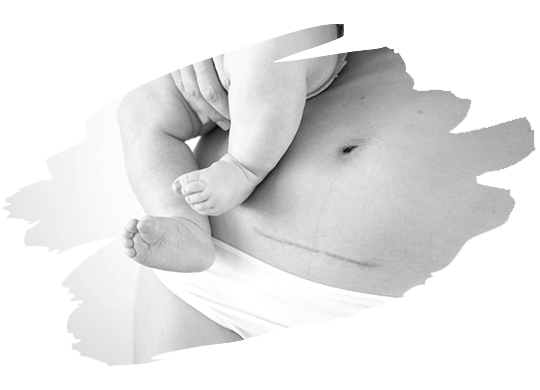
Pregnancy is one of the body’s most intense transformation processes. As the baby grows, the abdominal wall expands, the fascia supporting the abdominal muscles loosens, and the connective tissues stretch. Even after weight loss following childbirth, the abdominal area may not return to its previous tightness, because it is not only the fat tissue that is affected but also the deep support system. This is why many mothers say, “I lost weight, but my belly didn’t firm up.”

The connective tissue line between the muscles (linea alba) stretches, and the two muscle groups separate. This is called diastasis recti. This condition affects not only aesthetic appearance but also a person’s lumbar support, posture, breathing capacity, and abdominal wall strength. Modern abdominal aesthetics after pregnancy aim not only to tighten the skin but also to reinforce the deep muscle and fascia structure. True tightening begins from the inside out.
What are Diastasis Recti and Fascia Weakness?

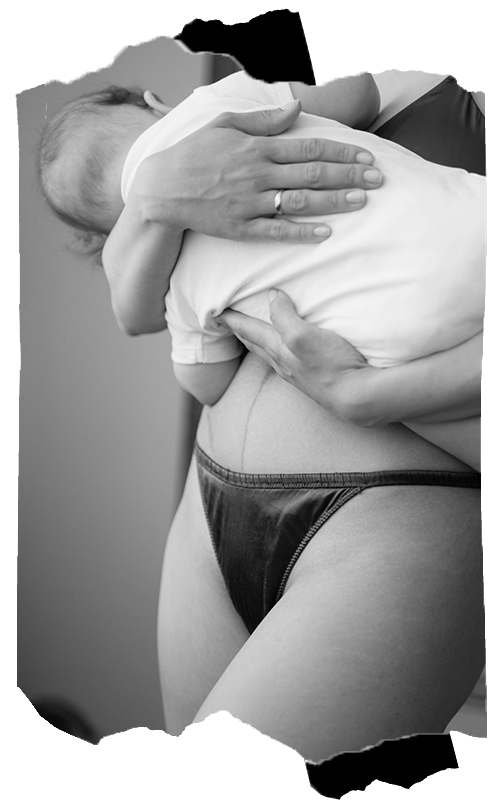
During pregnancy, the growing uterus can separate the abdominal muscles. The muscles themselves do not tear; the fascia between them loosens. Therefore, exercise alone is not always sufficient to close this gap. Fascia laxity can lead to a protruding belly, a feeling of width in the waist, softening of the abdominal wall, back pain, and even gastrointestinal complaints.

The visible “bloated belly” is often not due to excess fat but to fascia and muscle separation. This is the most critical assessment point in abdominal aesthetics. Without intervention, achieving a flat and firm abdomen is difficult even with weight loss. The correct approach is to anatomically restore the fascia, support the muscles, and strengthen the abdominal core.

Aesthetic Approach: Not Just Skin Tightening, But Deep Structure Repair

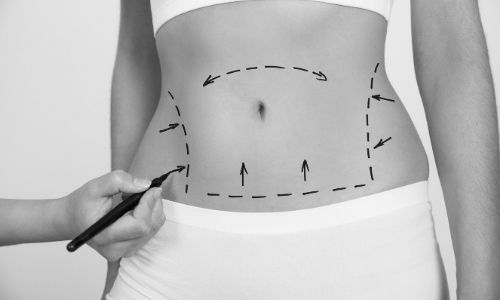
Success in abdominal aesthetics involves removing excess skin, tightening the inner muscle line, and repositioning the abdominal wall. This procedure is not merely a “tummy tuck”; it is a functional abdominal repair and the creation of an aesthetic contour. The abdominal muscles are brought closer to the midline using suture techniques, the fascial line is reshaped, and the abdominal wall is strengthened. This method is the fundamental step in achieving a flat abdomen.

The upper, middle, lower abdomen and waistline are evaluated together. The goal is not just a flat area but an elegant abdominal hollow, smooth lateral transitions, and a natural belly appearance. In modern techniques, the navel is repositioned and scars are concealed within the natural body lines. The result is a firm, aesthetic, and natural abdominal form.

Contact Us


Doğum Sonrası Fasya Onarımı ve Karın Sıkılaştırma Yaklaşımları

Liposuction and Fat Management Are Part of the Process

Abdominoplasty is often combined with liposuction. This is not only for slimming but also to define the abdomen–waist transition and create a three-dimensional contour. Slimming the waistline, softening the area under the ribs, and supporting the lower abdomen dramatically change the overall appearance.

In some patients, fat transfer may also be applied, as postpartum buttock volume can decrease. Supporting the upper hip line during abdominal tightening makes the body appear more feminine and balanced. In other words, the procedure is not just about a “flat abdomen” but a holistic post-motherhood body rejuvenation.

Personalized Planning for Natural Results

Each patient’s skin quality, fascial laxity, muscle strength, fat distribution, and skin elasticity are different. In some, a mini abdominoplasty is sufficient, while others may require full muscle repair and a wide-area contour. Accurate assessment determines scar quality, naturalness of results, and recovery speed. The goal is not just a flat abdomen but a feminine midline with natural curves.

Postpartum aesthetics is no longer just about correcting appearance; it addresses the biomechanical changes caused by pregnancy. When the fascia is strengthened, the abdomen supported, and body proportions balanced, the results are felt not only in the mirror but also in posture, gait, breathing, and confidence. The aim is not merely to erase the marks of motherhood but to restore the body’s strength. When the body is restructured, even facial expression changes, as strength and elegance flow from silhouette to emotion.

These articles are written for informational purposes. To determine whether the procedure is suitable for you and to identify the appropriate treatment, you should consult your doctor.

Comments

Leave a Reply

Your email address will not be published.

TOP