


Ciltte Kollajen Kaybı ve Yaşlanma
Click to rate this post!
[Total: 0 Average: 0]

The skin largely maintains its youthfulness thanks to collagen and elastin fibers. These fibers provide the skin with elasticity, firmness, and a vibrant tissue density. Young skin feels plump, elastic, and radiant to the touch; light is evenly distributed, shadows are soft, and the face appears rested and energetic. However, with age, the production of these fibers decreases, and existing fibers begin to wear out more easily. The skin undergoes changes not only on the surface but also in its deepest layers. Collagen loss progresses silently; over the years, tissue support weakens, the skin thins, pores enlarge, wrinkles become more pronounced, and the skin begins to appear “tired, dull, and thin.”
This process is not merely an aesthetic issue; it is a decline in the biological health of the skin. Modern aesthetic approaches are based not on hiding aging on the surface but on rebuilding a healthy skin architecture by strengthening the deep tissue structure. The more collagen is preserved and supported, the slower the aging process, and the skin appears more radiant and fresh at every age.

Why Does Collagen Disappear?

Aging does not occur solely over time; genetics, environment, lifestyle, and hormonal changes combine to weaken the underlying skin tissues. After age 25, collagen production decreases each year. UV rays, stress, lack of sleep, irregular diet, smoking, air pollution, and inflammation accelerate this process.

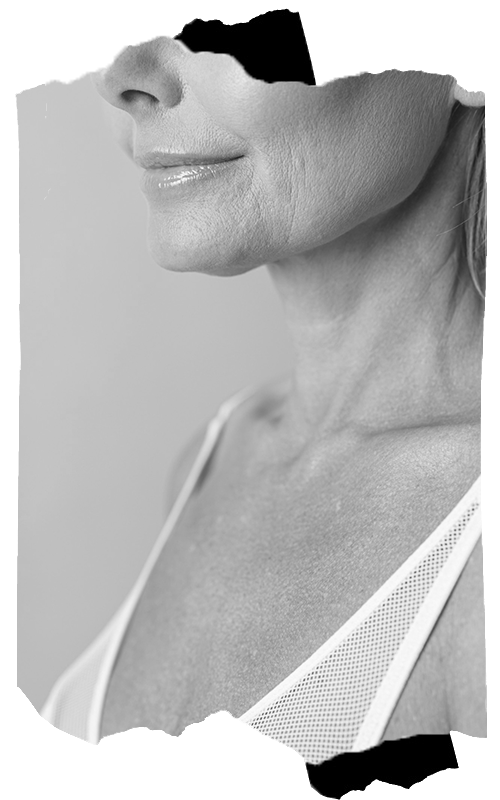
When collagen loss begins, the skin initially does not only develop fine wrinkles; it experiences a loss of density, support, and elasticity. Facial contours lose their definition, laxity appears in the jawline and neck area, and the tissue around the eyes thins. Therefore, collagen loss is not just the formation of “wrinkles”; it is the weakening of the structural support of the face and the visible manifestation of aging.

Signs of Collagen Loss in the Skin

Contact Us


  • Dullness and loss of skin radiance
  • Fine lines and wrinkles that deepen over time
  • Thinning and darkening under the eyes
  • Volume loss and sagging in the cheeks
  • Laxity in the neck and décolleté area
  • Enlarged pores
  • Makeup not sitting smoothly

When these signs appear, superficial creams or quick fixes are not sufficient. The skin’s fundamental structure needs support. A clinical analysis tailored to the individual determines which layer requires the most support. This information is the most important step in the treatment plan.

Ciltte Kollajen Kaybı ve Yaşlanma

Is it Possible to Reverse Collagen Loss?

Yes. Modern aesthetic medicine not only supports collagen externally but also stimulates the skin’s own production cycle. This is highly valuable because lasting youthfulness is achieved not by externally added substances but by reactivating the body’s own tissue capacity.

The goal here is not to tighten the skin or provide temporary radiance, but to initiate structural transformation in the deep layers. When proper protocols are applied regularly, the skin gradually becomes firmer, plumper, and smoother. In some patients, this process is so noticeable that people around them comment, “Your face looks slimmer, more refreshed, and very healthy,” yet the intervention itself remains unnoticeable. This is exactly the value of proper collagen management.

Collagen Supportive Treatments

The following treatments stimulate collagen synthesis and biologically rejuvenate the skin:

  • Energy-Based Skin Tightening Systems
    Ultrasound and radiofrequency-based systems deliver controlled heat to the deep layers of the tissue. This heat triggers the remodeling of collagen fibers. Over time, the skin appears firmer and more elastic.
  • Fractional Laser Systems
    By creating micro-renewal zones in the upper layer of the skin, these systems smooth the skin texture and increase collagen production. They are particularly effective for fine lines, spots, and uneven skin tone.

PRP and Biostimulant Injections
Using the body’s own healing cells, tissue revitalization is achieved. Stem cell–supported protocols and PRP biologically strengthen the subcutaneous tissue and provide a natural youthful effect.

Structural Fat Transfer
This not only adds volume but also rejuvenates the skin through biologically active cells transported with the fat tissue. It is especially valuable for the under-eye area, cheeks, and temples.

These treatments can be applied individually or in combination. The choice is planned according to skin type, degree of aging, and the patient’s expectations.

The Role of Nutrition and Lifestyle

Collagen production is not solely dependent on clinical procedures. A healthy lifestyle is essential for the skin to age well. Balanced protein intake, vitamin C, omega-3 fatty acids, antioxidants, regular water consumption, sun protection, and quality sleep support collagen production. Smoking, frequent alcohol consumption, high-sugar diets, and stress rapidly damage collagen fibers.

When proper clinical treatments are combined with a healthy lifestyle, the skin not only looks younger but also gains a healthier tissue structure. This approach provides lasting, natural, and refined youthfulness.

Comments

Leave a Reply

Your email address will not be published.

TOP