


Burun Deliklerini Şekillendirme (Alar Baz Daraltma) Nedir Kimlere Yapılır


Click to rate this post!
 
[Total: 1 Average: 5]


In rhinoplasty, not only the nasal bridge or tip but also the width and shape of the nostrils are important details that determine the overall expression of the face. In some people, the nostrils may naturally be wide, while in others, the nostrils become more aesthetically prominent after the nasal tip is narrowed. In this case, the surgical procedure performed is alar base reduction, that is, narrowing of the nasal wings.

In rhinoplasty, not only the nasal bridge or tip but also the width and shape of the nostrils are important details that determine the overall expression of the face. In some people, the nostrils may naturally be wide, while in others, the nostrils become more aesthetically prominent after the nasal tip is narrowed. In this case, the surgical procedure performed is alar base reduction, that is, narrowing of the nasal wings.

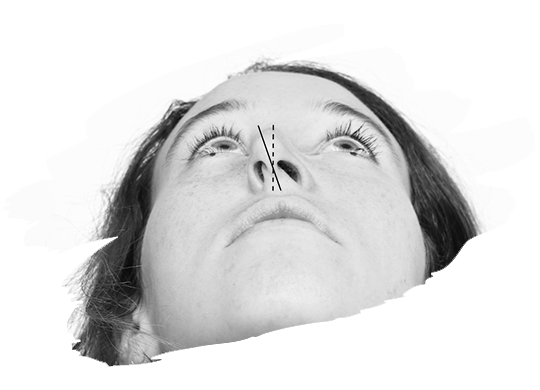
Why Do the Nasal Wings Appear Wide?

There are several main reasons why the nasal wings appear wide:

  • Genetic structure: In some nose types, the wings are naturally wide.
  • Weak nasal tip support: The tip becomes flattened, making the nostrils more visible.
  • Facial structure: If the face is small but the nasal wings are wide, the proportions are disrupted.
  • After rhinoplasty: When the nose becomes refined, the wings may become more noticeable.

This situation requires correlation:
It is necessary not only to reduce but also to read the facial architecture.

How is Alar Base Reduction Performed?

The surgery to narrow the nasal wings is performed by making small hidden incisions at the lower part of the nasal wing or the inner fold. Since the incisions are hidden within the natural lines, they are not noticeable after healing.

Contact Us


The main steps of the surgery:

Saddle Technique or Wedge Excision
A very thin triangular tissue is removed from the outer edge of the nasal wing.
No one notices this removal because the line is hidden within the natural nasal fold.

Controlled Approximation with Sutures
The excised area is closed with minimal stitches, and the nasal wing naturally narrows.
The goal is not a sharp edge but to create a smooth, flowing nasal line.

The purpose is not just to narrow the nasal wing but to elegantly fine-tune the proportions.

In Which Cases is it Performed?

The most suitable candidates have the following features:

  • Wide nostrils
  • Nasal wings that flare outward
  • Nasal wings that open noticeably when smiling
  • Those who notice that the wings have become more prominent after rhinoplasty

In some people, it is performed alone, while in others, it is planned together with rhinoplasty.

Why is Naturalness Critical?

Over-narrowing the nostrils can:

  • Disrupt the smile
  • Create an artificial appearance during speech
  • Affect natural airflow
  • Give an aesthetically “shapeless and dull” expression

For this reason, the procedure is performed individually and with millimetric precision. Here, the surgeon’s experience is as important as their aesthetic eye.
Recovery Process

  • Same-day discharge
  • Mild swelling for 5–7 days
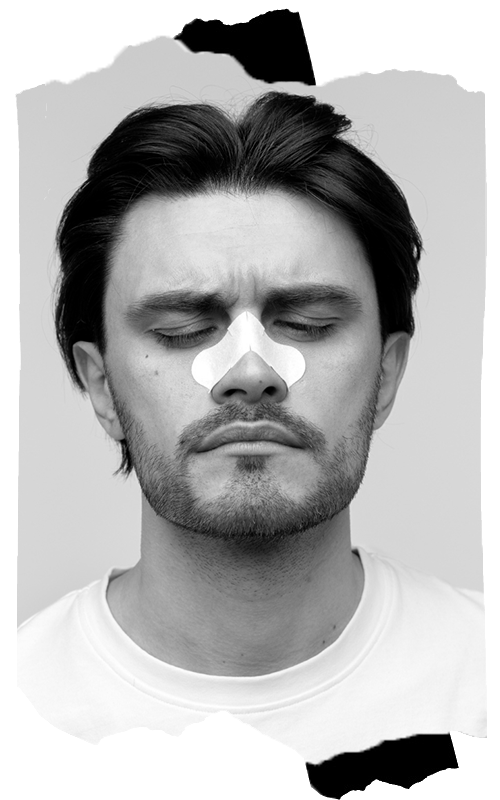
  • Small tape support may be used
  • Scars are hidden within folds and are not visible
  • Natural appearance becomes noticeable in 3–4 weeks


    The patient returns to daily life quickly.

Burun Deliklerini Şekillendirme (Alar Baz Daraltma) Nedir Kimlere Yapılır

Frequently Asked Questions

Does nostril reduction leave a scar?
No, if performed according to the correct plan. The scar is hidden within the natural line.

Is breathing affected?
On the contrary, if done correctly, it does not harm the airway.

Can it be done alone?
Yes. If necessary, it can even be performed under local anesthesia.

These articles are written for informational purposes. To determine whether the procedure is appropriate and to identify the treatment suitable for you, you should consult your doctor.

Comments

Leave a Reply

Your email address will not be published.

TOP