



What is Cellulite?
Click to rate this post!
[Total: 0 Average: 0]
Cellulite is a term that refers to the formation of pits and bumps on the skin.
Cellulite usually looks like an orange peel due to its texture and appearance.
Cellulite is a term that refers to the formation of pits and bumps on the skin.
Cellulite usually looks like an orange peel due to its texture and appearance.
Pits are caused by fibrotic bands called septae, which cause the fat to split into small pockets. When these begin to swell from the fascial attachments in the skin, this causes the formation of pits and lumps.
Medically proven treatment options are also available, but results are not immediate or long-lasting.
Mild cellulite can only be seen if you pinch your skin in an area with cellulite, such as your thighs. More severe cellulite makes the skin look wrinkled and bumpy.
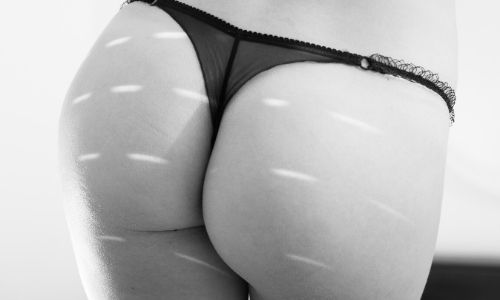
Cellulite is most common around the thighs and buttocks, but can also be found on the breasts, lower abdomen and upper arms.
Several treatment approaches are available to treat cellulite, to at least temporarily improve its appearance. Each has its own potential consequences and side effects. Some studies show that a combination of treatments can give the most satisfactory results.
Little is known about what causes cellulite. It contains fibrous connective cords that connect the skin to the underlying muscles and lie between the fat.
As fat cells accumulate, they are pushed against the skin as the long, hard cords are pulled down. This creates a rough surface or dimple.
In addition, hormonal factors play a big role in the development of cellulite and genetics determine skin structure, skin texture and body type.
Other factors, such as weight and muscle tone, influence whether you have cellulite, but even very fit people can have it.
Cellulite is much more common in women than in men. In fact, most women develop some cellulite after puberty. This is because women's fat is typically distributed in the thighs, buttocks, which are common areas for cellulite.
Cellulite is also more common with aging, when the skin loses its elasticity. Weight gain can make cellulite more noticeable, but some thin people also have cellulite.
It tends to run in families, so genetics may play the biggest role in whether you develop cellulite.
A sedentary lifestyle can also increase your chances of getting cellulite, as it did during pregnancy.
These articles are written for informational purposes. You should consult your doctor to determine whether the procedure has been performed and the appropriate treatment for you.