


Yüz Yaşlanmasının Aşamaları Kemik Yapıdan Cilde
Click to rate this post!
[Total: 0 Average: 0]

Facial aging is not only the appearance of wrinkles or the loss of skin elasticity. The aging process begins in the deepest layers of the face; it reflects outward as the bone structure changes, fat pads shift, muscle activity differentiates, and connective tissues loosen. Therefore, understanding aging is possible not only by looking at the skin but by evaluating the anatomical layers of the face together.

A properly planned aesthetic approach does not rely solely on superficial procedures; if necessary, it aims to intervene in the deepest layers of the tissue to create a natural, balanced, and long-lasting rejuvenating effect. Modern aesthetic surgery does not aim to stop aging, but to soften the marks of time by supporting the biological structure of the face.
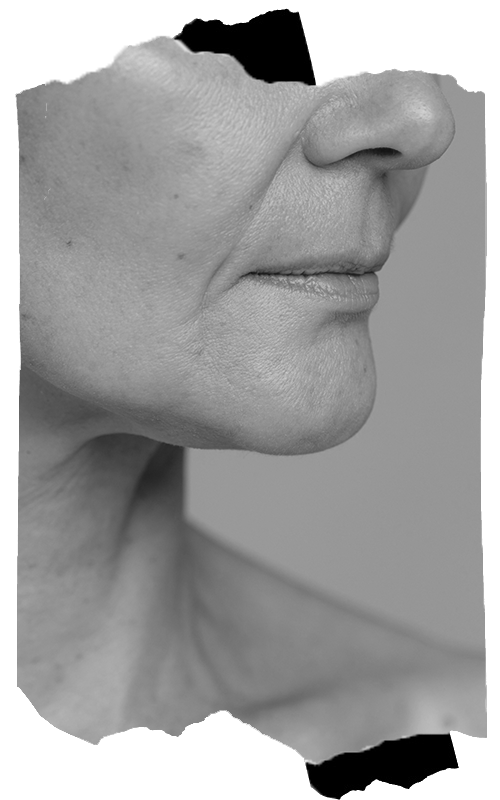
Facial Aging Why Does It Happen?

Facial aging is a complex biological process and is not caused by a single factor. Over time, the structure of the face transforms due to the combined effects of genetic factors, lifestyle, environmental stress, gravity, hormones, and changes in tissue metabolism.

This change appears not only in the face but also in a person’s tone of voice, expressions, gestures, and emotional appearance. Therefore, the goal of aesthetic procedures is not only to add volume or tighten but to create a healthy youthful appearance while preserving the person’s natural facial identity.

In some individuals, the aging process begins earlier, and this is usually associated with genetic tissue weakness. In others, fat pad loss may occur more rapidly despite strong muscle structure. Every individual has a different aging pattern, and treatment should be tailored accordingly.

The First Sign of Aging: Loss of Volume and Support

A youthful face has a plump and upward appearance due to strong supporting tissues. Over time, this support system weakens, and the tissue shifts downward. Volume loss occurs not only in the cheeks but also around the eyes, temples, jawline, and lips.

This change causes the face to appear “tired, sad, or sunken.” For example, if a person looks older than usual in a candid photo, this is usually the result of volume loss and tissue displacement. When volume loss is corrected, the face automatically appears more rested, lively, and balanced.

Contact Us


Yüz Yaşlanmasının Aşamaları Kemik Yapıdan Cilde

Changes in Bone Structure: The Quietest Yet Most Effective Stage of Aging

The part of facial aging that most people do not notice but is the most important is the thinning and reshaping of the bone structure over time. Bone volume decreases particularly around the eye sockets, jawline, and cheekbones. This leads to a loss of internal support and causes the facial tissues to sag downward.

Therefore, fillers or skin procedures alone may not be sufficient; proper planning, spatial volume support, and surgical intervention when necessary are required. The strength of the bone structure is the foundation of a youthful face; for this reason, a bone-supported approach is increasingly important in modern facial rejuvenation.

Fat Pads Displacement

  • Upper face fat tissue decreases

In a youthful face, the upper cheeks are full; over time, this volume melts away, and the area under the eyes begins to appear more hollow. This causes the face to look tired and gives the person an older expression than they actually have. The loss of fat tissue is not only a loss of volume but also indicates a weakening of the skin’s underlying support.

  • Lower face fat accumulates

As the fat pads shift downward, volume accumulates in the lower cheek area and around the jaw. This causes heaviness and loss of contour in the lower face. The appearance often referred to as “hamster cheeks” usually results from this mechanism.

Proper assessment of these changes determines which areas need volume added and which areas need thinning.

Connective Tissues Loosen Over Time and Skin Loses Its Grip Strength

  • Ligament Weakness

The ligaments in the face lose their elasticity over time and, under the effect of gravity, can no longer hold the tissues. As a result, the face sags noticeably, and the jawline becomes indistinct. Supporting the ligaments through surgical or minimally invasive methods provides longer-lasting and more natural results.

  • Decrease in Skin Elasticity

The loss of collagen and elastin creates looseness on the surface. The skin not only wrinkles but also loses its firmness, disrupting the contour shape. Therefore, focusing only on the skin surface is not sufficient; the connective and supporting tissues need to be strengthened.

Muscle Tone and Facial Expression Dynamics Change

Muscle tone also changes with age. While some muscles weaken, others become overactive. This imbalance increases expression wrinkles, particularly making lines more pronounced on the forehead, between the eyebrows, and around the eyes.

When necessary, treatments that balance muscle activity both reduce wrinkles and preserve the natural facial expression. The goal is not a frozen look; it is to achieve a natural, controlled, and smooth flow of expressions.

Proper management of muscle structure is the key to long-term youthful appearance.

Conclusion: Facial Rejuvenation Should Be Addressed Layer by Layer

Understanding facial aging is not just about seeing wrinkles. When the bone structure, fat distribution, connective tissue, and muscle structure are evaluated together, the correct treatment plan can be developed. The modern approach provides a natural youthful appearance not only through superficial procedures but also through deep tissue support and volume management.

A successful facial rejuvenation plan preserves a person’s expressions, giving a more vibrant, balanced, and refreshed appearance without altering the facial expression. Every face is different; therefore, a personalized approach is essential.

These articles are written for informational purposes. You should consult your doctor to determine whether the procedure is performed and to identify the treatment suitable for you.

Comments

Leave a Reply

Your email address will not be published. Required fields are marked *

TOP