


Estetik Ameliyat Sonrası Ödem ve Lenfatik Destek
Click to rate this post!
[Total: 0 Average: 0]

Aesthetic surgery is not a process that begins only in the operating room; the real results take shape during the healing period. The body’s tissue-repair capacity, blood circulation, lymphatic drainage, and cell regeneration rate play a decisive role during this stage. Postoperative swelling, mild firmness, tissue sensitivity, and subcutaneous fluid accumulation are all part of the body’s completely natural defense mechanism.

However, properly managing this process directly affects both the quality of the final aesthetic results and the speed of recovery. Especially after liposuction, tummy tuck, facelift, rhinoplasty, eyelid surgery, and breast aesthetics, the goal is to reactivate the lymphatic system, resolve swelling in a controlled manner, and ensure healthy tissue healing.

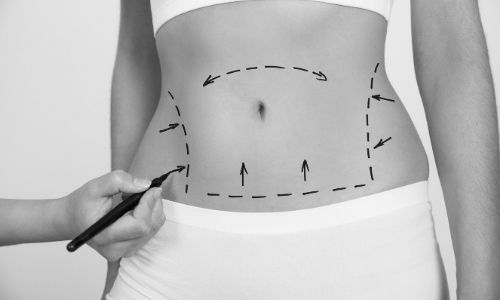
The modern aesthetic approach is no longer the “perform the surgery and wait for it to pass” era. Today, the postoperative process is supported by scientific protocols, manual therapies, mechanical aids, nutritional management, and cellular healing strategies. The goal is not only to reduce swelling but to accelerate the tissue’s biological recovery and ensure smoother, more natural, and longer-lasting results.

How Does the Body’s Edema Mechanism Work?

After surgery, the body sends fluid to the treated areas to protect them. This fluid carries the cells necessary for tissue repair. However, if this healing fluid cannot drain toward the lymphatic system in the correct direction and at the proper speed, it remains in the tissue for a long time and leads to unwanted firmness, swelling, and sensitivity.

The lymphatic system, unlike blood vessels, does not contain a pumping organ; it functions through movement, breathing, muscle activation, and massage. Therefore, instead of waiting passively, supporting lymph circulation with proper techniques dramatically accelerates the healing process.

Excessively forceful massage, incorrect directional touch, or aggressive interventions performed too early without expert supervision may delay healing and damage the tissue. Thus, edema management should be considered an extension of aesthetic surgery.

Contact Us


Yağ Ejneksiyonu

Lymphatic System Supports

  • Manual Lymphatic Drainage

This technique is not a classic massage; it is a very gentle and directed therapy planned according to the working mechanics of the lymphatic vessels. It rapidly reduces swelling in facial and neck surgeries, supports the resolution of bruising after rhinoplasty, and smooths the tissue after liposuction. The goal here is not to apply pressure but to reactivate lymphatic pathways and move the fluid to the correct regions.

When applied correctly, patients often feel relief, reduced tightness, and increased comfort even after a single session. Especially during the first 3 weeks, controlled and regular sessions visibly accelerate healing.

  • Mechanical Lymphatic Process Devices

In some patients, mild air-pressure lymphatic devices are used alongside manual methods. These systems stimulate the area rhythmically with low pressure. The goal here is to create a muscle-pump effect and accelerate lymph flow. Incorrect pressure settings carry risks; therefore, professional supervision is essential.

Edema-Reducing Biological Supports

Wound healing is not dependent solely on mechanical processes. Enhancing the body’s ability to regenerate itself at the cellular level also accelerates results.

PRP, ozone-supported protocols, cell-renewing serums, antioxidant supplements, and hyaluronic acid supports can contribute to the healing process. Protocols that strengthen vitamin and mineral balance, blood circulation, and oxygenation provide a much more vibrant and homogeneous result, especially in the face and neck area.

Not every support is applied to correct wrinkles, but to ensure that the tissue heals in a healthier and more vibrant way. As important as the surgery itself, the scientific planning of postoperative tissue care also determines the aesthetic outcome.

Nutrition, Water, and Salt Balance

The nutrition plan plays a critical role in healing. Adequate protein, omega-3 fatty acids, collagen supplements, and antioxidants form the building blocks of tissue regeneration. Water consumption does not trigger edema; on the contrary, it supports lymphatic flow. Salt intake, however, should be controlled.

Patients who follow an appropriate nutritional program often experience less swelling, less firmness, and return to their natural form in a shorter time. The goal here is not “losing weight,” but maximizing cellular repair capacity.

Complication Prevention and Long-Term Results

When postoperative swelling is properly managed:

  • Tissue heals more smoothly
  • Retention rates in fat transfer increase
  • Skin appears healthier
  • Risk of stiffness and fibrosis decreases
  • Results become more natural and defined
  • Recovery psychology is strengthened

If neglected, swelling lasts longer, tissue quality declines, contour definition may not reach its potential, and in some cases, unnecessary revision may be needed.

Therefore, in modern aesthetics, the postoperative process is now seen as half of the final result. If surgery is an art, the recovery process represents the finest brushstrokes of that art.

These articles are written for informational purposes. To determine whether the procedure is performed and which treatment is suitable for you, you should consult your doctor.

Comments

Leave a Reply

Your email address will not be published.

TOP