J Plasma ile Kol Germe
Click to rate this post!
[Total: 0 Average: 0]

Is Non-Surgical Arm Lift Possible with J Plasma?

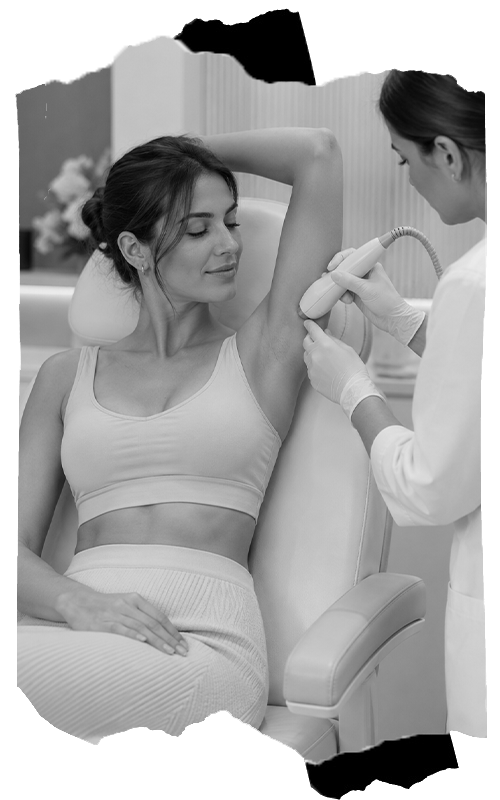
Arm lift with J Plasma is a minimally invasive procedure that supports a tighter appearance in cases of mild or moderate skin laxity in the arm area. Although the long incision and extensive tissue removal used in traditional arm lift surgery are not performed, the procedure should not be considered a completely external non-surgical method.

What Is Arm Lift with J Plasma?

Arm lift with J Plasma is based on the controlled delivery of plasma energy, created from radiofrequency energy and helium gas, to the tissues beneath the skin. The aim is to create a controlled contraction in the soft tissue and support a tighter and smoother appearance of the arm skin.

During the procedure, small entry points may be created on the skin. Therefore, the absence of large surgical incisions does not mean that the procedure involves no surgical intervention at all. The J Plasma system is a medical device used for the coagulation and contraction of subcutaneous soft tissues.

Is It Truly a Non-Surgical Arm Lift Method?

Although the term “non-surgical arm lift” may be used colloquially for arm lift with J Plasma, this expression should be evaluated carefully from a technical perspective. In the procedure, a large incision extending along the inner arm, as in traditional arm lift surgery, is not made, and excess skin is not surgically removed.

However, in order for the energy handpiece to be advanced under the skin, small entry incisions, sterile procedure conditions, and an anesthesia method suitable for the patient may be required. Therefore, the method is not non-invasive like lasers, creams, or devices applied completely from the outside.

The most accurate definition would be a minimally invasive skin tightening procedure. Arm lift with J Plasma can provide a tighter arm appearance, especially in people with limited laxity; however, in cases of severe excess skin, it may not provide the same result as traditional surgery on its own.

Contact Us


J Plasma ile Kol Germe

Who May Be Suitable for It?

Arm lift with J Plasma may generally be considered for people with mild or moderate laxity in the arm area. It may be a more suitable option in cases where skin elasticity has not been completely lost and there is no advanced excess skin that needs to be removed.

Limited sagging that develops after weight loss or aging is among the main conditions in which the procedure may be evaluated. However, it is important that expectations are realistic, the general health condition is suitable, and the skin structure is examined in detail.

In Which Cases May It Not Be Sufficient?

If there is a significant amount of excess skin on the arms that visibly hangs downward, folds, or sags, arm lift with J Plasma alone may not be sufficient. This is because the procedure does not cut and remove skin; it supports the tightening and contraction of existing tissue.

Especially in cases of intense excess skin after major weight loss, traditional arm lift surgery may come to the agenda. In some people, liposuction, J Plasma, or surgical arm lift methods may need to be evaluated together.

Differences Between J Plasma and Traditional Arm Lift

In traditional arm lift surgery, excess skin and, when necessary, fat tissue are surgically removed. This method may be effective in more noticeable sagging; however, it involves a longer incision scar and a more comprehensive recovery process.

In arm lift with J Plasma, a long incision is not made and the skin is not removed. The goal is to tighten the tissue beneath the skin by using smaller entry points. Therefore, which method is appropriate should be determined according to the level of sagging.

Can J Plasma Be Applied Together with Liposuction?

If there is fat accumulation together with skin laxity in the arm area, J Plasma can be used after liposuction. While liposuction reduces fat tissue, J Plasma may support the contraction of subcutaneous soft tissues after the procedure.

The Renuvion APR handpiece has FDA-cleared indications for the coagulation of subcutaneous soft tissues after liposuction performed for aesthetic body contouring. However, the suitability of the procedure for the arm area should be determined after a personal examination.

What Is the Recovery Process Like?

After the procedure, edema, tenderness, bruising, or temporary numbness may occur in the arms. The length of the recovery period may vary depending on the scope of the procedure, whether liposuction was performed, and the person’s tissue structure.

When recommended by the physician, using a compression garment, avoiding heavy exercise for a certain period, and not missing follow-up appointments are important. Tightening in the tissue and changes in the arm appearance may become more noticeable over time.

Is Arm Lift with J Plasma Risky?

As with every interventional procedure, J Plasma may also involve risks such as burns, fluid accumulation, infection, irregular appearance, sensory changes, and healing problems. Inappropriate energy settings or incorrect application technique may increase the likelihood of complications.

The FDA recommends considering the current indications of the procedure, following device instructions, and informing patients about possible risks as well as benefits.

How Is the Suitable Method Determined?

The decision for arm lift with J Plasma should not be made only according to the external appearance of the arm. The amount of excess skin, skin elasticity, distribution of fat tissue, weight changes, and the person’s expectations should be evaluated together.

While J Plasma may be sufficient in mild laxity, a combined approach with liposuction may be considered in moderate problems. In advanced sagging, traditional arm lift surgery may be more appropriate. The definitive method should be planned individually after a plastic surgery examination.

Comments

Leave a Reply

Your email address will not be published.

TOP