Rekonstrüktif Prosedürler

Reconstructive and Cosmetic Differences Between Procedures

Click to rate this post!
[Total: 0 Average: 0]

The field of Plastic Surgery can be divided into two main categories reconstructive procedures and cosmetic procedures. Both are generally considered sub-specialties of plastic surgery.

The term plastic surgery comes from the Greek word "plastikos", which means molding or shaping.

Reconstructive Plastic Surgery

Reconstructive plastic surgery is performed to correct facial and body abnormalities caused by birth defects, injury, disease or aging. Usually, the goal of reconstructive plastic surgery is to improve body functions.

However, reconstructive plastic surgery can also be performed to create a more normal appearance and improve self-esteem (this can also be called cosmetic surgery). Abnormal structures of the body can be caused by

  • Injury
  • Infection
  • Developmental abnormalities
  • Birth defects
  • Disease
  • Tumors

Contact Us


Who is a Candidate for ?
Reconstructive Plastic Surgery

Usually 2 types of people have reconstructive plastic surgery:

  • People with birth defects (including cleft lip, craniofacial anomalies or hand deformities)
  • People with deformities (including those caused by accident, infection, disease or aging)

Possible Complications Associated with Reconstructive Plastic Surgery

Every type of surgery carries some risk. People differ in their anatomy and their ability to heal.

Depending on the type of surgery you have and your overall health, some complications and risks associated with reconstructive plastic surgery may include

  • Infection
  • Excessive bleeding
  • Bruising
  • Difficulty in wound healing
  • Anesthesia problems
  • Surgical problems

The risk of complications may increase if

  • Smoking
  • There is connective tissue damage
  • Skin damage from radiation therapy
  • Decreased circulation at the surgical site
  • HIV is present
  • Having an impaired immune system
  • Having bad eating habits

There may be other risks depending on your specific medical condition.

Be sure to discuss your concerns with your healthcare provider before the procedure.

Cosmetic Plastic Surgery

Cosmetic surgery is performed to improve the overall cosmetic appearance by reshaping and adjusting normal anatomy to make it more visually appealing.

Unlike reconstructive surgery, cosmetic surgery is not considered medically necessary.

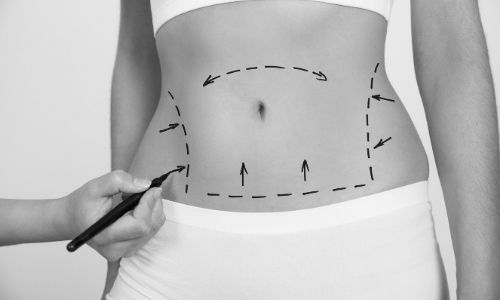
Breast augmentation, breast lift, liposuction, abdominoplasty (tummy tuck) and facelift are popular examples of cosmetic surgery procedures.

Cosmetic Plastic Surgery
Who are Candidates?

If you have serious health problems such as diabetes, high blood pressure, heart disease, bleeding disorders or depression, you may not be a good candidate for cosmetic surgery. If you are obese or drink too much alcohol, you may not be a good candidate. Your surgeon may ask you to make some changes before surgery. For example, some surgeons ask smokers to quit two to four weeks before surgery and not to smoke for at least two to four weeks after plastic surgery.

It allows the body to recover properly from surgery. If you smoke, you should avoid smoking before and after surgery. Before your plastic surgery, you and your surgeon should talk in depth about your health, lifestyle, any conditions you have and any medications or supplements you are taking.

The discussion will help you understand whether surgery is a good option for you.
Be sure to tell your doctor about everything you take, including vitamins and herbal products that do not require a prescription. Some may affect the risk of bleeding or interfere with other medicines used during surgery.

Who is a Candidate for
Cosmetic Plastic Surgery?

In reality, there is often significant overlap between reconstructive and cosmetic plastic surgery as they share many of the same basic surgical principles.

Regardless of the type of plastic surgery performed, the ultimate goal should always include maximizing the cosmetic outcome as much as possible.

Regardless of the planned plastic surgery procedure, it is very important for patients to discuss the expected cosmetic outcome with their surgeon in advance to ensure that appropriate expectations are met.

Certain conditions may be considered "reconstructive" or "cosmetic" depending on the patient's specific situation.

An example is rhinoplasty (nose surgery), which is usually performed to improve the appearance of the nose but may also be necessary to restore normal nasal breathing and normal appearance after a bad nose fracture.

These articles are written for informational purposes. You should consult your doctor to determine whether the procedure has been performed and the appropriate treatment for you.

Comments

Leave a Reply

Your email address will not be published.

TOP